
Ready to build your dream home? Explore our construction home loans.
Building a home is a big step. Our construction home loans are designed to support you at every stage of this exciting journey.
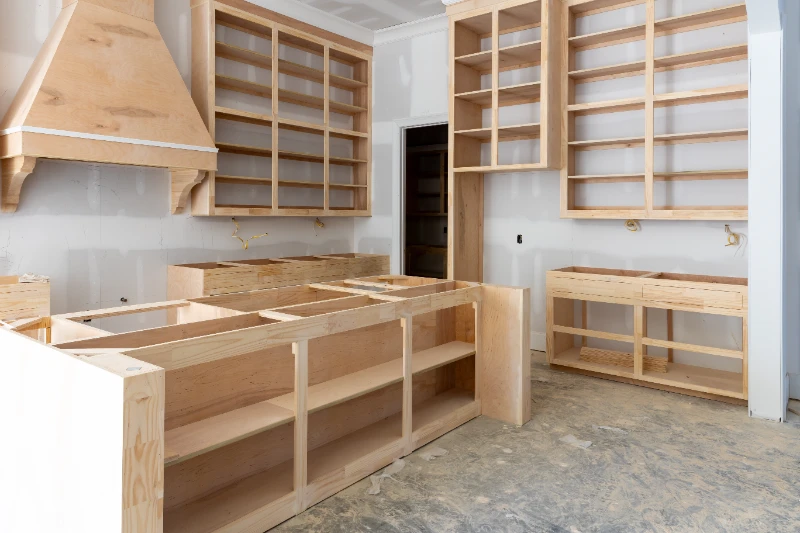
A construction home loan is a specialized mortgage designed to finance the building of a new home or major renovations from the ground up. For buyers in Nationwide, the REZILOANS Team at E Mortgage Capital (NMLS #1416824) helps guide you through every step, from initial planning to final move-in, ensuring your construction project is well-supported from start to finish.
Key Takeaways
- Flexible Financing: Construction home loans provide funds for building a new home or major renovations, with options to convert to a standard mortgage after completion.
- Interest-Only During Construction: Most programs require interest-only payments while your home is being built, helping manage cash flow.
- Detailed Planning Required: Lenders require architectural plans, a licensed builder, and a clear construction timeline before approval.
- Multiple Loan Structures: Choose from construction-to-permanent, construction-only, or renovation loans depending on your project needs.
- Down Payment Expectations: Down payments typically start at 5-20%, though requirements vary by program and borrower profile.
- Not for Every Buyer: Construction loans can be more complex and time-consuming than traditional mortgages—be prepared for extra documentation and oversight.
- Works with Other Programs: First-time buyers, veterans, and move-up buyers may qualify for specialized construction home loan options in Nationwide.
Construction Home Loan Options in Nationwide: Quick Answers
- What is a construction home loan? It’s a short-term loan that finances the cost of building a home or significant renovation, later converting to a standard mortgage or requiring a refinance.
- How does a construction-to-permanent loan work? This option combines construction financing and your long-term mortgage into one process, so you only close once and transition seamlessly after construction is complete.
- Who qualifies for a construction home loan in Nationwide? Typically, borrowers need good credit, stable income, a manageable debt-to-income ratio, and a vetted builder with approved plans.
- What documents are needed? Expect to provide detailed construction plans, a signed contract with a licensed builder, budget breakdowns, and standard income and asset verification.
- Can first-time buyers or veterans use construction home loans? Yes—there are construction home loan programs tailored for first-time buyers and veterans, sometimes with lower down payment options or additional benefits.
- What happens after construction is finished? Your loan either converts to a regular mortgage or you refinance, depending on the structure you chose at the outset.
How Construction Home Loans Work in Nationwide
- Pre-Qualification and Planning: We start by reviewing your financial situation, credit, and goals. You’ll need to have a solid plan for your new build or renovation, including blueprints and a licensed contractor.
- Application and Documentation: Once you’re ready, we walk you through the application. This includes submitting construction plans, builder contracts, permits, and a detailed budget. Lenders in Nationwide want to see that your project is viable and within current guidelines.
- Loan Approval and Underwriting: The lender reviews your credit, income, debt-to-income ratio, and the construction project itself. In our experience, the more complete your documentation, the smoother this step goes.
- Loan Closing and Draw Schedule: After approval, you close on the construction home loan. Funds are released in stages (draws) as work progresses, with inspections at each phase to ensure everything is on track.
- Construction Phase and Inspections: As your builder completes each stage—foundation, framing, etc.—the lender inspects and releases the next portion of funds. You’ll make interest-only payments on the amount drawn during this time.
- Project Completion and Conversion: Once construction is finished, your loan either automatically converts to a permanent mortgage (if you chose a construction-to-permanent option) or you refinance into a traditional mortgage.
- Move-In and Ongoing Payments: With the home complete and your permanent financing in place, you begin making regular mortgage payments, just like any other homeowner.
Is a Construction Home Loan Right for You?
Construction home loans are best suited for buyers who want to build a custom home or undertake a significant renovation and have the patience and organization to manage a complex process. If you have a clear vision, a reputable builder, and the ability to provide detailed documentation, this type of loan can turn your dream home into reality. Many move-up buyers, first-time buyers looking for a unique property, and veterans who want to use their benefits for a new build find these loans a great fit—especially when they want more control over the final product. In our experience, borrowers who plan ahead and work closely with their lender have the smoothest experience.
However, construction home loans aren’t for everyone. If you’re uncomfortable with the uncertainty of building, need to move quickly, or have trouble qualifying due to credit or down payment constraints, you may want to consider alternatives. Traditional mortgages, FHA home loans, or first-time homebuyer programs can be simpler and faster if you’re purchasing an existing home. For those interested in renovating a fixer-upper, a rehab loan might be a better fit.
Understanding Costs, Fees, and What to Expect with Construction Home Loans
Construction home loans involve unique costs and timelines compared to traditional mortgages, so it’s important to budget carefully and set realistic expectations. You’ll typically need a down payment of 5-20%, depending on your credit and the specific loan program. Closing costs can be higher because you’re financing both the land (if not already owned) and the build itself. During construction, you’ll make interest-only payments on the amount drawn, which helps keep monthly costs lower until the home is complete.
Expect to pay for periodic inspections, builder’s risk insurance, and possibly contingency reserves for unexpected expenses. The interest rate on a construction home loan is often a bit higher than a standard mortgage, reflecting the added risk and complexity. Once your home is finished, your rate and payment may change if you convert to a permanent loan or refinance. Timelines can also be longer—construction projects often take 6-12 months or more, depending on scope and local permitting.
Here’s a general comparison of construction home loans versus traditional mortgages:
| Feature | Construction Home Loan | Traditional Mortgage |
|---|---|---|
| Down Payment | Typically 5-20% | As low as 3% (varies by program) |
| Payment Structure | Interest-only during build, then principal + interest | Principal + interest from day one |
| Closing Costs | Higher (covers build and land) | Standard closing costs |
| Loan Timeline | 6-12+ months for construction | Immediate occupancy |
| Rate Lock | May lock at close or upon conversion | Usually locked at closing |
| Inspections | Multiple during build | Typically one at purchase |
If you’re considering refinancing after your build, our refinance options can help you secure long-term terms that fit your budget.
Common Mistakes to Avoid with Construction Home Loans
- Underestimating Costs: Many borrowers forget to budget for permits, landscaping, or unexpected construction delays, which can lead to funding shortfalls.
- Choosing the Wrong Builder: Working with an inexperienced or unlicensed builder can cause project delays, failed inspections, or even loan denial.
- Incomplete Documentation: Missing or unclear construction plans, budgets, or contracts can slow down approval or result in a denied application.
- Not Planning for Delays: Weather, supply chain issues, or permit holdups are common—build in extra time and contingency reserves to avoid stress.
- Ignoring Loan Conversion Details: Some borrowers don’t realize their construction loan won’t automatically convert to a permanent mortgage, requiring a second closing and new qualification.
- Overextending Financially: Taking on a larger project than your budget allows can lead to unfinished homes or financial strain—be realistic about what you can afford.
Local Considerations for Construction Home Loans in Nationwide
Building a home in Nationwide means navigating a wide range of local zoning, permitting, and builder requirements, which can vary significantly from state to state or even county to county. Some areas have stricter building codes, longer approval timelines, or unique environmental considerations that can impact your project’s cost and schedule. In our experience, working with a lender and builder who understand the local market is crucial for a smooth process. Be sure to check current county loan limits and talk with local officials early to avoid surprises. Whether you’re in a fast-growing metro area or a rural community, local expertise makes a big difference.
Ready to Explore Your Construction Home Loan Options?
If you’re considering building your dream home or taking on a major renovation, we’re here to help you navigate the construction home loan process from start to finish. Get started with REZILOANS Team at E Mortgage Capital (NMLS #1416824) today—our team will walk you through your options, answer your questions, and help you decide if a construction home loan is right for your goals. We encourage you to reach out for a personalized quote at reziloans.com/quote.
This is educational content and not financial advice. Loan programs and guidelines can change. Talk with a licensed mortgage professional about your specific scenario.
Surf our website to learn about our company, see our loan programs, and request a free consultation.
Get started today!
Fill out the questionnaire on this page to start a discussion about your mortgage needs today!
Frequently Asked Questions
What is a Construction Home Loan?
A construction home loan is a short-term loan that provides financing to build a new home or make major renovations. The funds are typically released in stages, or “draws,” as each phase of construction is completed.
How does a construction-to-permanent loan work?
A construction-to-permanent loan combines financing for the home’s construction and its long-term mortgage into one loan. Once the build is finished, the loan converts into a standard mortgage, saving time and additional closing costs.
What are the requirements for getting a construction loan?
Lenders generally require detailed construction plans, a licensed builder, and a completed budget or cost breakdown. Strong credit, stable income, and a sufficient down payment are also important factors.
Can I use a construction loan to build on land I already own?
Yes. Many construction loans allow you to use equity in land you already own as part of your down payment or collateral for the loan.
How are payments made during the construction phase?
During construction, borrowers typically make interest-only payments on the amount drawn so far. Once the project is complete and the loan converts to permanent financing, regular principal and interest payments begin.
