
Fix up your fixer upper home with a Rehab Loan.
You may be able to purchase a home and roll the costs of the renovation into your loan.
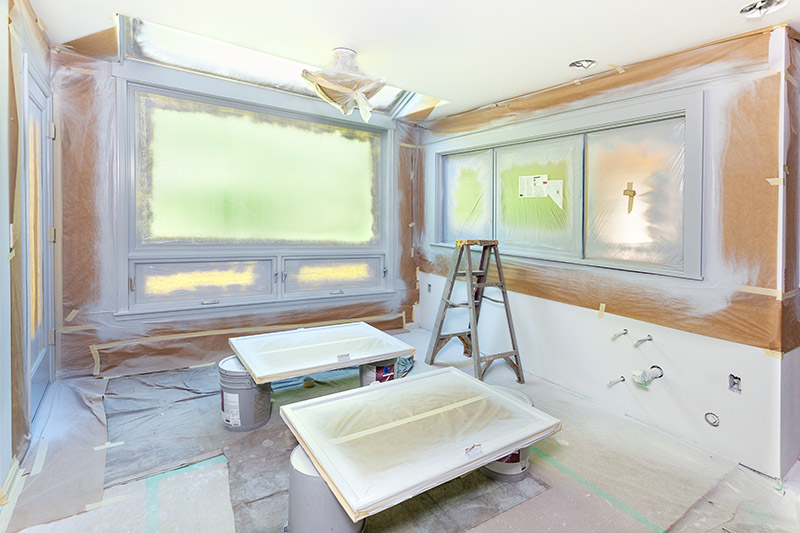
A rehab loan is a specialized mortgage that allows you to buy and renovate a home with one loan. For buyers in Nationwide, the REZILOANS Team at E Mortgage Capital (NMLS #1416824) helps you finance both the purchase and the repairs, making it easier to turn a fixer-upper into your dream home. Whether you’re a first-time homebuyer, a move-up buyer, or a veteran, rehab loans open up more possibilities in today’s competitive market.
Key Takeaways
- One Loan, Two Purposes: Rehab loans combine the purchase price and renovation costs into a single mortgage.
- Flexible Property Choices: You can buy homes that need repairs, expanding your options in tight markets.
- Multiple Program Types: FHA 203(k), Fannie Mae HomeStyle, and other rehab programs are available as of 2026.
- Structured Draw Process: Funds for renovations are released in stages as work is completed and inspected.
- Owner-Occupied Focus: Most rehab mortgage programs are designed for primary residences, not investment flips.
- Nationwide Availability: We offer rehab loans in many states, with guidelines that may vary by location and program.
- Expert Guidance: Our team helps you navigate contractor selection, paperwork, and program requirements from start to finish.
Quick Answers About Rehab Loan Options in Nationwide
- What is a rehab loan? It’s a mortgage that lets you finance both the purchase of a home and the cost of repairs or renovations with one loan.
- Who can use a rehab loan? Most rehab loans are for buyers planning to live in the home, including first-time buyers, move-up buyers, and veterans.
- What types of properties qualify? Eligible properties usually include single-family homes and certain multi-unit residences that need repairs, subject to program guidelines.
- How are renovation funds managed? The lender holds renovation funds in escrow and releases them as work is completed and inspected.
- What kinds of repairs are allowed? Most structural, safety, and cosmetic improvements are covered, but luxury upgrades may have restrictions depending on the rehab program.
- How do rehab loans compare to construction loans? Rehab loans are for existing homes needing repairs, while construction home loans are for building new homes from the ground up.
How the Rehab Loan Process Works in Nationwide
- Pre-Qualification: We start by reviewing your credit, income, and goals to see if a rehab mortgage fits your needs. This helps set your budget and narrows down eligible programs.
- Property Search and Offer: You shop for homes that need repairs. Once you find a property, you make an offer contingent on securing a rehab loan and completing the required renovations.
- Contractor Selection and Work Write-Up: You choose a licensed contractor and obtain a detailed bid outlining the scope and cost of repairs. The lender requires this to estimate total loan needs.
- Loan Application and Appraisal: We process your application, order an appraisal that includes the “after-repair value,” and submit all documentation for underwriting approval.
- Loan Approval and Closing: After approval, you close on the home. The loan funds both the purchase and a renovation escrow account, which is managed by the lender.
- Renovation Phase: Contractors begin work. Funds are released in draws as each stage is completed and inspected, ensuring quality and compliance with the rehab program.
- Final Inspection and Completion: Once all repairs are done, a final inspection confirms the work. Any remaining funds in escrow are applied to your loan balance or returned per program rules.
Is a Rehab Loan Right for You?
Rehab loans are ideal for buyers who see potential in homes that need work and want to customize their living space. If you’re a first-time homebuyer struggling to find move-in ready homes in your price range, a rehab mortgage can help you compete for properties others may overlook. Move-up buyers often use these loans to transform a dated house into a long-term residence. Veterans may also benefit, especially if they want to combine VA loan features with renovation financing through certain specialized programs. In our experience, buyers with a clear vision, patience for the renovation process, and a willingness to coordinate with contractors see the best results.
However, rehab loans are not for everyone. If you need to move quickly, have limited savings for upfront costs, or are uncomfortable managing a renovation project, you may want to consider alternatives. Investors looking to flip homes may be better served by our Fix & Flip Home Loan options, which have different requirements. For buyers who prefer turnkey homes, a fixed rate mortgage or low down payment purchase option might be a better fit.
Understanding Rehab Loan Costs, Fees, and What to Expect
Rehab loans come with unique costs and timelines compared to standard mortgages, so it’s important to plan ahead. Expect to pay standard closing costs (origination, appraisal, title, etc.), plus fees for the renovation escrow setup, supplemental inspections, and sometimes a contingency reserve for unexpected repairs. Down payments vary by program: FHA 203(k) loans require as little as 3.5% down, while conventional rehab mortgages may require more. Interest rates are typically a bit higher than standard loans due to the added complexity and risk. Renovation timelines can range from a few weeks for minor updates to several months for major projects.
| Feature | Rehab Loan | Standard Mortgage |
|---|---|---|
| Down Payment | As low as 3.5% (FHA), higher for conventional | 3%–20% depending on program |
| Closing Costs | Standard fees plus renovation escrow and inspection fees | Standard fees only |
| Interest Rate | Slightly higher due to renovation risk | Typically lower |
| Renovation Funds | Included in loan, released in draws | Not included |
| Timeline to Close | Longer (often 45–60 days) | Shorter (typically 30 days) |
| Eligible Properties | Fixer-uppers, homes needing repairs | Move-in ready homes |
In our experience, borrowers who budget for extra costs and allow time for contractor scheduling have a smoother process. If you’re considering refinancing to access funds for renovations, our cash out refinance page explains another way to finance home improvements.
Common Mistakes to Avoid with Rehab Loans
- Underestimating Renovation Costs: Many buyers overlook the need for a contingency reserve, leading to budget shortfalls if unexpected repairs arise.
- Choosing Unqualified Contractors: Using unlicensed or inexperienced contractors can delay your project and jeopardize loan approval.
- Missing Program Deadlines: Rehab programs have strict timelines for completing work; missing these can result in penalties or even loan default.
- Skipping Detailed Bids: Incomplete contractor bids can cause issues during underwriting and lead to funding delays.
- Ignoring Loan Limits: Each rehab program has maximum loan amounts as of 2026—always check current limits for your county and property type.
- Not Understanding Draw Process: Some borrowers expect all renovation funds upfront; instead, funds are released in stages after inspections.
Local Considerations for Rehab Loans in Nationwide
Each state and local market in Nationwide has unique factors that can affect your rehab loan experience. Permit requirements, contractor availability, and property values can vary widely, so it’s important to work with a lender who understands your specific area. In some markets, older homes may have hidden issues like lead paint or foundation problems, which can impact renovation costs and timelines. We help you navigate these local nuances, ensuring your rehab mortgage fits both your goals and your region’s requirements. If you’re considering a rural property, you may also want to explore our USDA loan options for additional possibilities.
Ready to Explore Your Rehab Loan Options?
Turning a fixer-upper into your forever home is possible with the right guidance and financing. At REZILOANS Team at E Mortgage Capital (NMLS #1416824), we walk you through every step of the rehab loan process, from pre-qualification to final inspection. If you’re ready to discuss your options or want to see if a rehab mortgage fits your needs, connect with us today. We’re here to answer your questions and help you make informed decisions about your next move.
This is educational content and not financial advice. Loan programs and guidelines can change. Talk with a licensed mortgage professional about your specific scenario.
Surf our website to learn about our company, see our loan programs, and request a free consultation.
Get started today!
Fill out the questionnaire on this page to start a discussion about your mortgage needs today!
Frequently Asked Questions
What is a Rehab Loan?
A rehab loan, also known as an FHA 203(k) or renovation loan, allows homebuyers or homeowners to finance both the purchase (or refinance) of a property and the cost of repairs or renovations into a single mortgage.
Who might benefit from a rehab loan?
Rehab loans may be ideal for buyers interested in purchasing fixer-uppers or homeowners looking to update or improve their existing property without taking out separate financing for the renovations.
What types of repairs can be included in a rehab loan?
Depending on the loan type, eligible repairs can include anything from minor updates like flooring, paint, and appliances to major projects such as roofing, structural repairs, room additions, or energy-efficient upgrades.
What are the main types of rehab loans?
The FHA 203(k) program has two main options: the Limited 203(k), which covers smaller repairs typically under $35,000, and the Standard 203(k), which is used for larger renovation projects that may involve structural work.
Can a rehab loan be used for investment properties?
Most FHA 203(k) rehab loans are intended for owner-occupied properties, not investment or rental homes. However, other renovation loan programs may be available for investors through conventional financing options.
